
Gassing
In practice, variation in gassing arises from differences in product, gas, and packaging. One application may require liquid gas, another gas in vapor form, and the interaction with the product also plays a role. At the same time, the process must remain stable without operators constantly adjusting pressure or dosage.
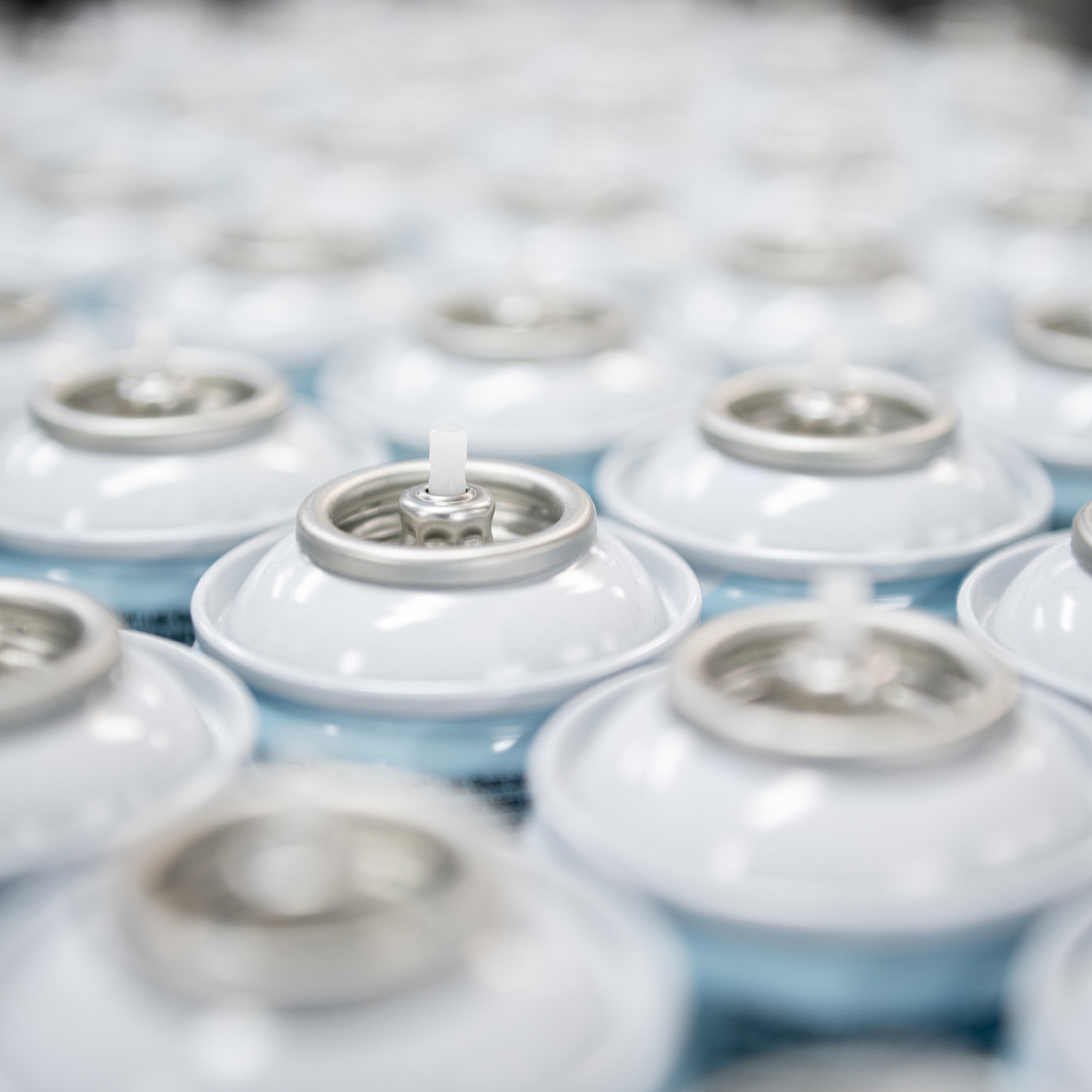
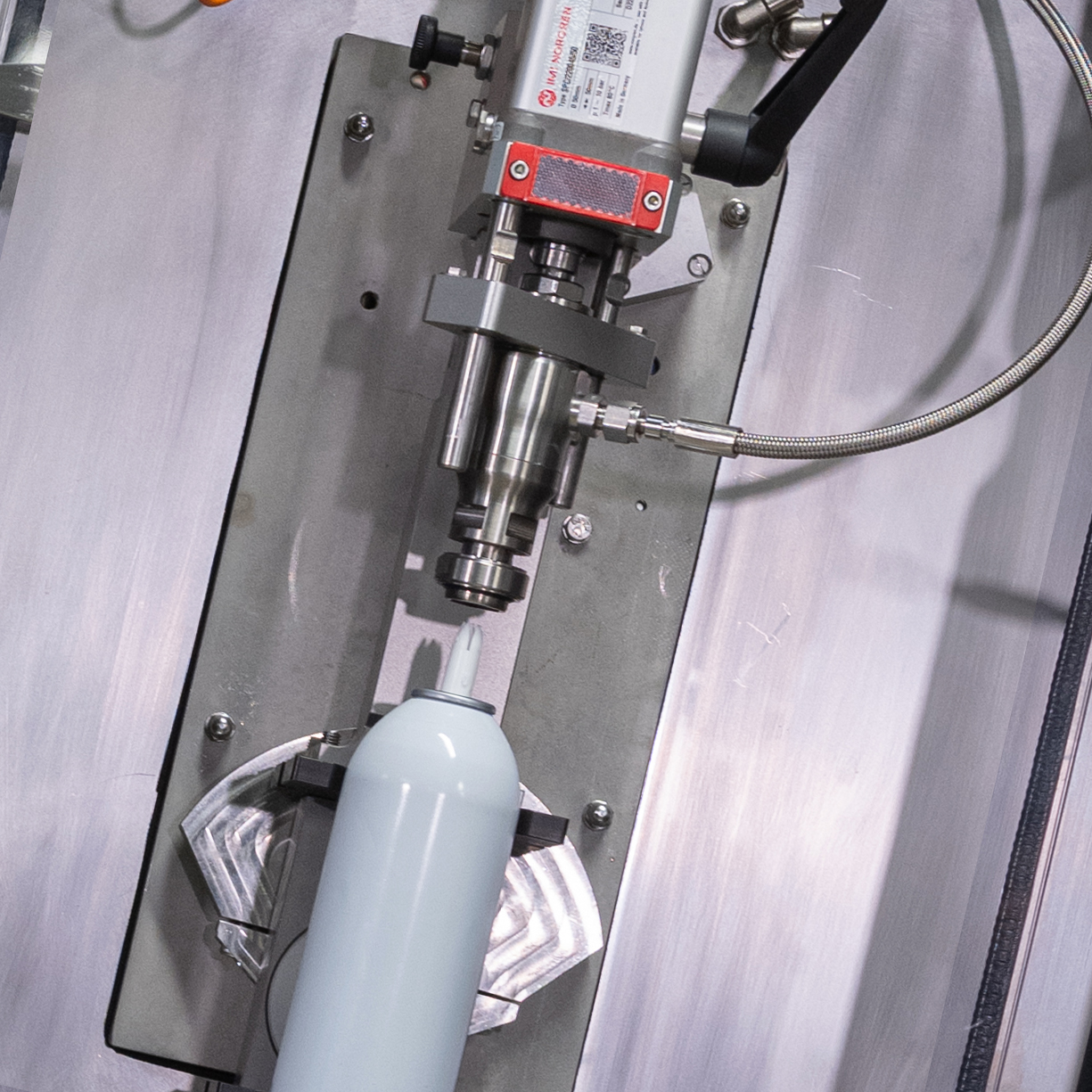
Gassing is the controlled introduction of propellant into the aerosol can. The chosen method depends on the type of gas, the packaging structure, and how the product behaves. Common techniques include impact gassing, time over pressure, and under-the-cup gassing. The selected method is determined by the combination of product, safety requirements, and desired output.
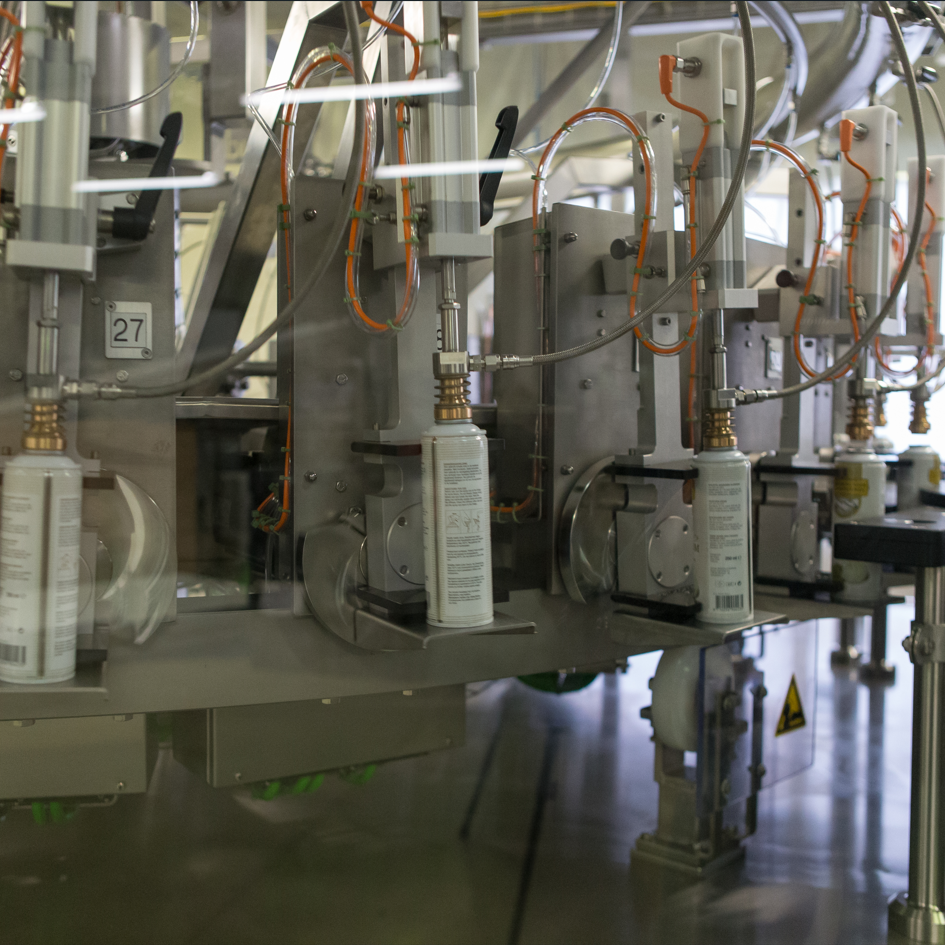
Gassing shaking
In applications where more gas needs to be absorbed into the product, a variation of time over pressure is often used. In this case, the can is kept in motion during gassing, allowing gas and product to mix more effectively.
This approach makes it possible to absorb more propellant into the product without switching to different packaging concepts. Depending on the application, this can be used as an alternative to BOV or to work with non-flammable gases. The exact implementation depends on the product and the desired functionality of the final result.
more on Gassing shakingTraditional gassing
With impact gassing, the propellant is injected into the can in liquid form. This method is often used with flammable propellants, but can also be applied with CO₂ or N₂. The process requires precise dosing and control, as small deviations directly affect the pressure in the can.
An alternative is time over pressure, where gas is added until the pressure in the can equals the supply pressure. This method is simpler in setup, but requires proper alignment between product, pressure, and filling time to achieve a stable result.
More on Traditional gassing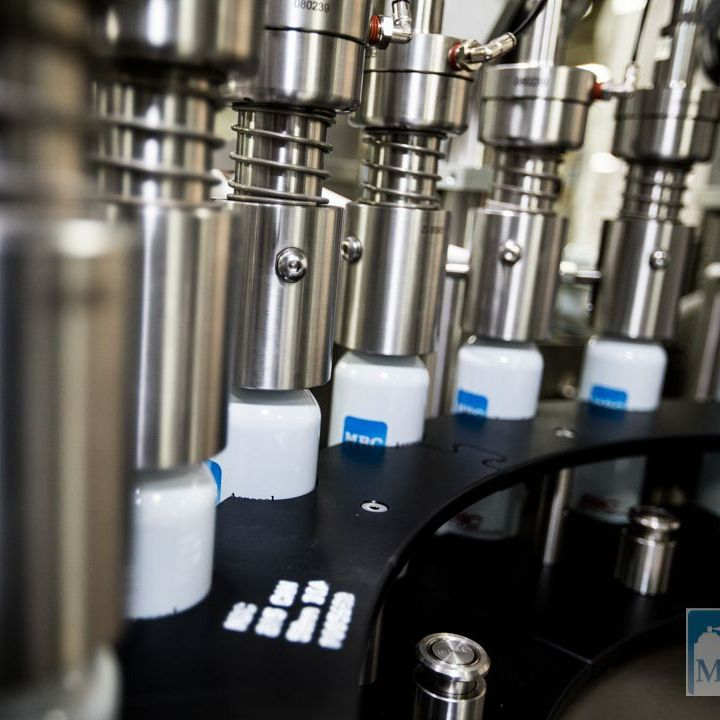
BOV gassing
In bag-on-valve (BOV) systems, the product is separated from the propellant by a bag inside the can. As a result, the product does not come into contact with the gas, which is important in applications where interaction is undesirable.
This principle is often used for products sensitive to gas, such as in food, pharmaceutical, or cosmetic applications. The gassing and filling process therefore differs from traditional aerosols and is tailored to the properties of both the product and the packaging.
more on BOV gassing
You can save up to 38 trucks per 100 trucks and 40% propellant a year by reducing the can diameter.
Rob Budé on gas-shaking
CEO Budé Group
Let’s get in touch
Let’s get in touch
Contact us